


How to Choose the Right Artificial Ice Rink Panels
Choosing the right panels is an important step in building a reliable artificial ice rink. With different materials, thicknesses, panel sizes, and connection systems available, buyers should evaluate the needs of their projects before making a decision.
- Material and skating performance
Synthetic ice panels are commonly manufactured from engineered polyethylene materials. Surface composition and processing can influence glide, wear resistance, and the overall skating experience. Buyers should request relevant performance information and, where possible, test a sample before placing a large order.
- Panel thickness and dimensions
Panel thickness and dimensions should be selected according to the intended application, installation conditions, and expected usage intensity. Commercial rinks and smaller home practice areas may require different specifications.
- Connection system
A reliable connection system helps keep panels aligned and supports a consistent skating surface. Buyers should check joint design, connection stability, and the flatness of the assembled panels.
- Installation and maintenance
The installation base should be clean, stable, and sufficiently level. Outdoor installations may require additional consideration of drainage, temperature changes, and UV exposure. Regular removal of dust and debris helps maintain the surface.
- Supplier support and customization
For commercial projects, it is useful to work with a supplier who can provide product specifications, layout recommendations, installation guidance, and customization options.
By evaluating these factors, buyers can select artificial ice rink panels that better match their budgets, site conditions, and intended use.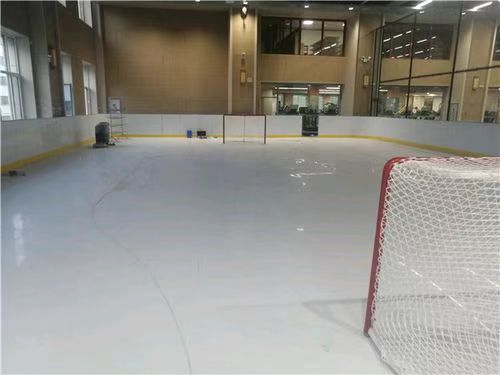
Manufacturing and exporting UHMW-PE sheets, HDPE sheets, marine fender pads, ground protection mats, wear-resistant liners, silo liners, polyethylene rollers, and customized engineering plastic components.